Weather Ελληνικά Sign in
Technical articles

Articles — page 8

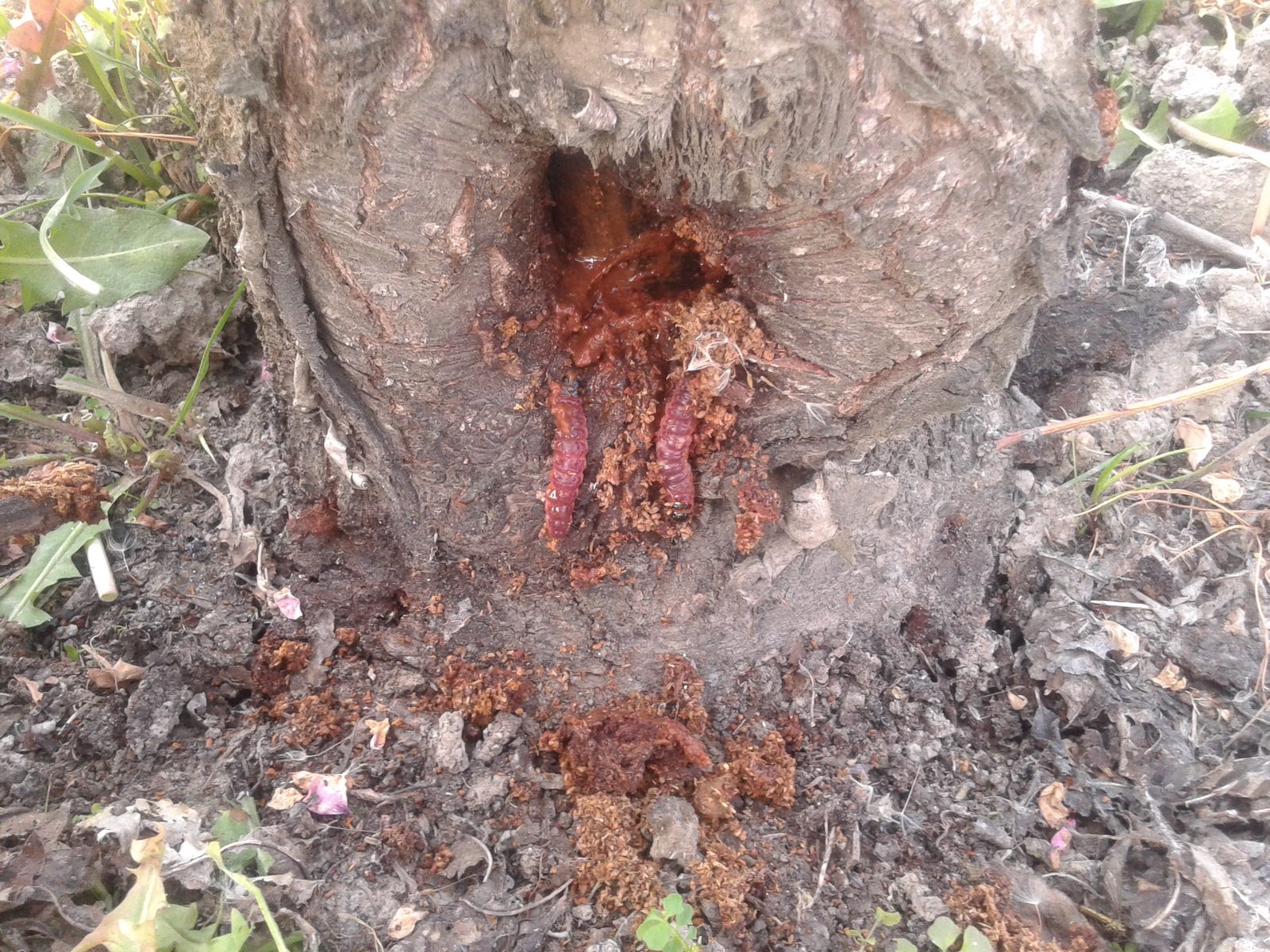
The goat moth, Cossus cossus: the pest that costs trees rather than a crop

The goat moth, Cossus cossus: the pest that costs trees rather than a crop

The larva eats the inside of the trunk for two or three years, and the tree fades with stunting, chlorosis and small leaves, the same picture as Phytophthora, Armillaria or a nutrient deficiency. Identification of adult, larva and egg, the multi-year cycle, why it returns to the same trees, the distinction from the leopard moth, and what pheromone traps are actually good for.

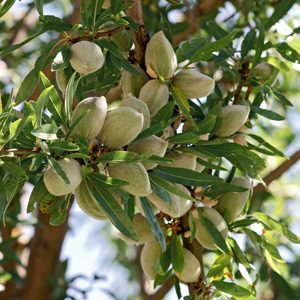
The cultivation of the almond tree

The cultivation of the almond tree

The dryland myth measured against the water requirement, the calendar of the year, fertilisation rates checked against a nutrient balance, and the diseases that decide the crop: Monilinia at bloom, red leaf blotch, bacterial canker, and the almond seed wasp.

Almond
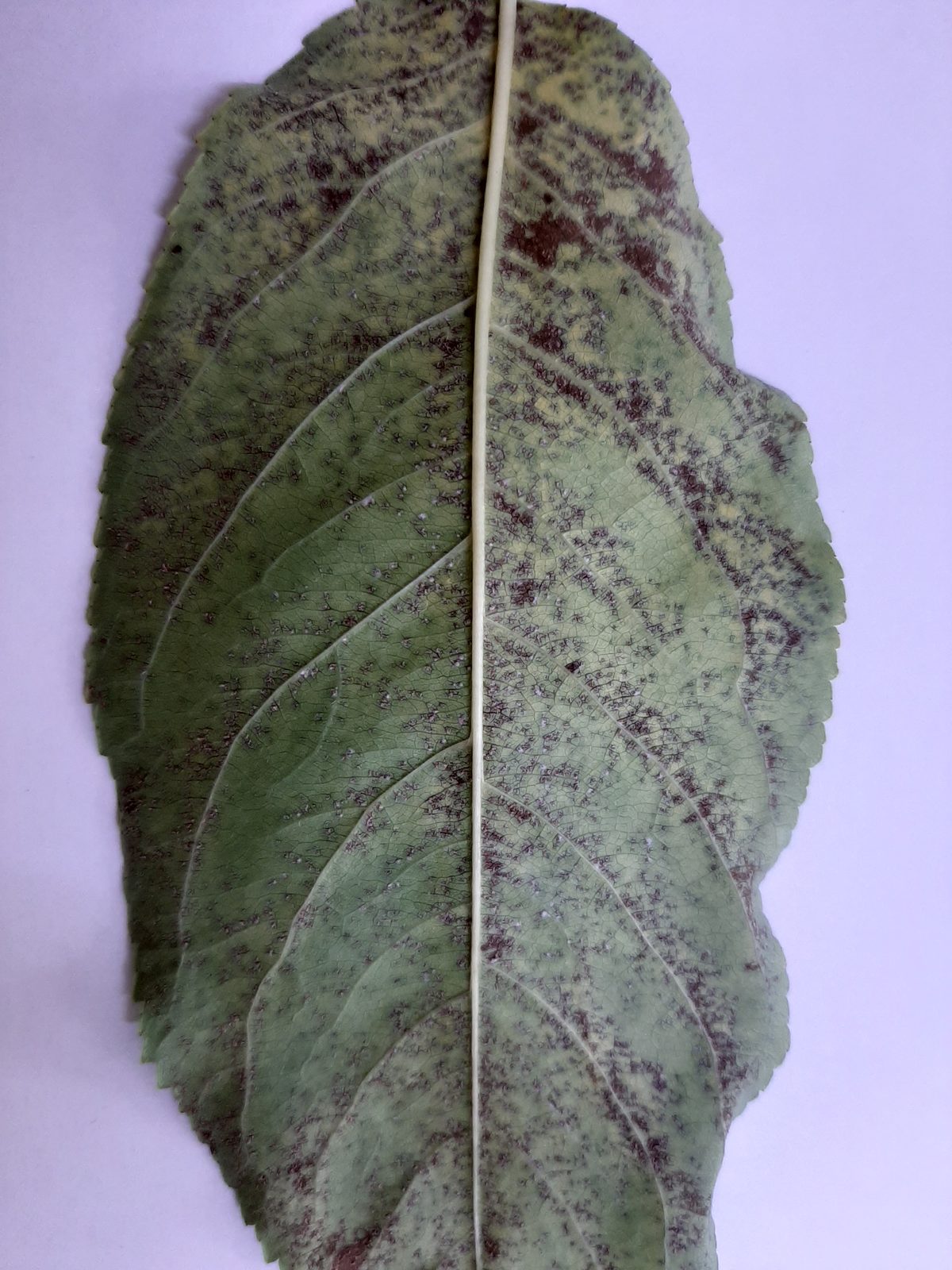
The common diseases and pests of cherry

The common diseases and pests of cherry

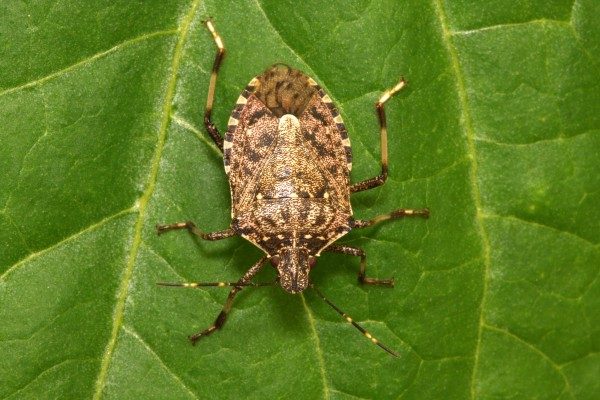
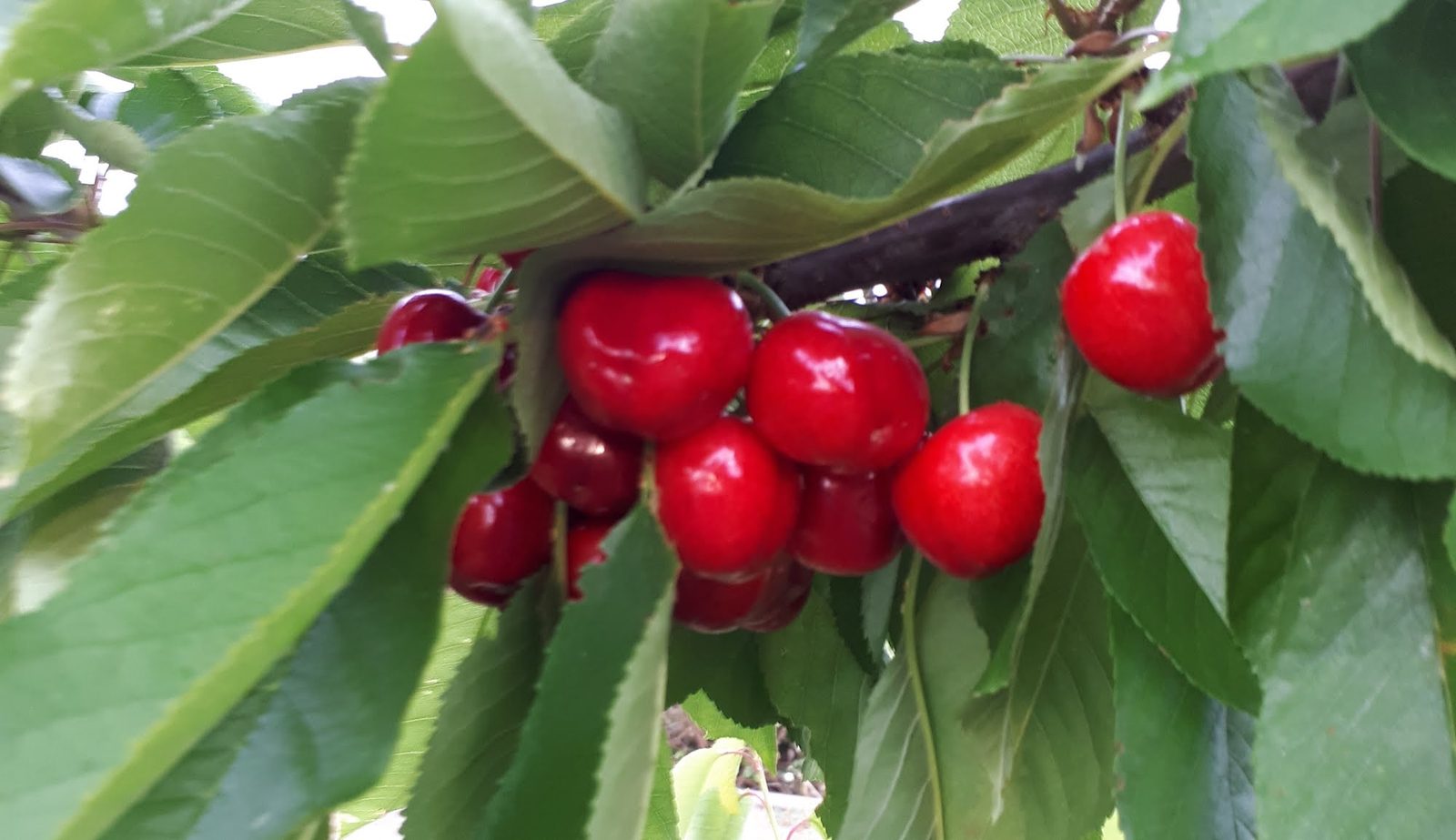
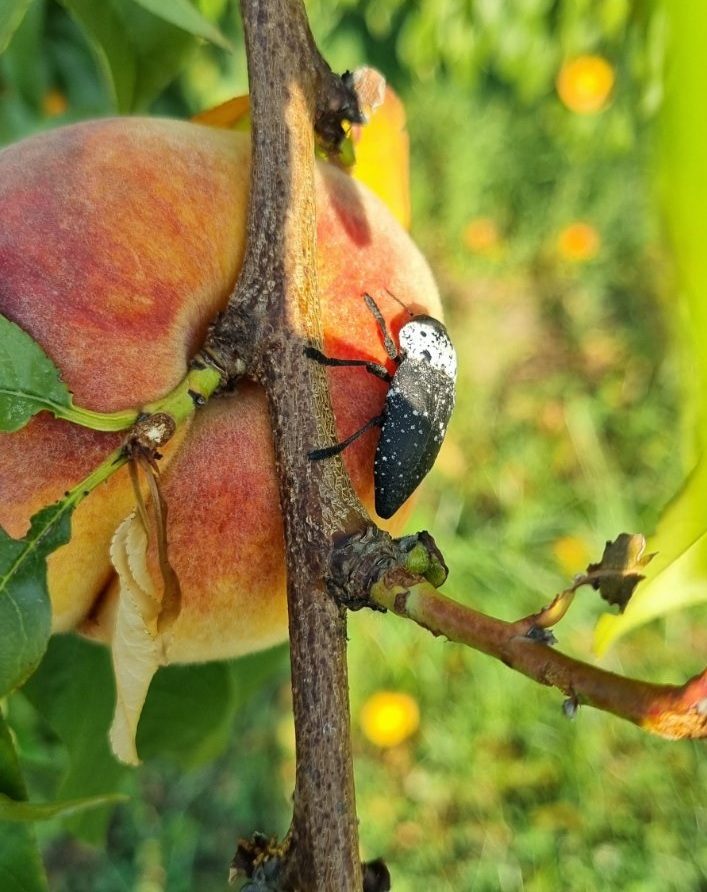
Brown rot, shot hole, cherry leaf spot, leaf scorch, Phytophthora, bacterial canker, crown gall, viruses and European Stone Fruit Yellows, and the pests: cherry fruit fly, spotted wing drosophila, Mediterranean fruit fly, black cherry aphid, Capnodis, wood borers, brown marmorated stink bug, plus cracking. A tool that compares field symptoms against the profiles of 17 causes, with photographs and the one character that separates them.

Sweet cherry
Walnut cultural practice: establishment, spacing, irrigation and nutrition

Walnut cultural practice: establishment, spacing, irrigation and nutrition

Establishment decisions lock in the yield ceiling for forty years. In detail: the soil specifications, rootstock choice by problem, lateral bearing, why Chandler is protandrous and what that means for the pollinizer, the rule of 112 kg per hectare for each 1% of light intercepted, irrigation by stem water potential, the nitrogen and potassium budgets, and the three findings that overturn common practice.

Walnut
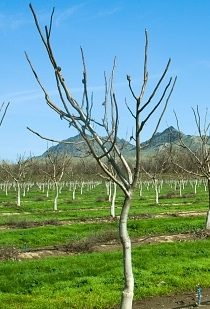
Pruning the walnut tree

Pruning the walnut tree

Terminal and lateral bearing and what they change in the cut, the cultivars grown in Greece with their pollination, training to an open vase and to a central leader, scaffold angles and spacing, the finding that young trees do better with no pruning at all, and the timing that costs trees rather than a crop when it is got wrong.

Walnut
The persimmon cultivar Rojo Brillante

The persimmon cultivar Rojo Brillante

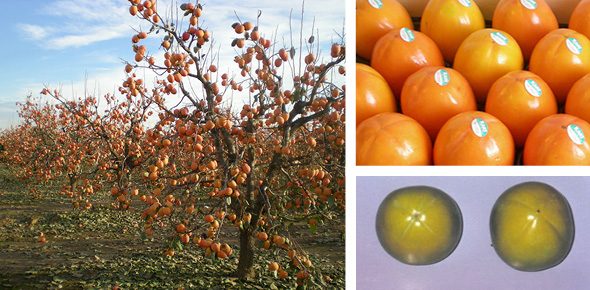
The Spanish cultivar that redrew the world map of persimmon, and the one that cannot be sold crisp without a CO₂ deastringency chamber. Astringency group, harvest, the 8 °C limit, and circular leaf spot.

Persimmon
The Mediterranean fruit fly, Ceratitis capitata

The Mediterranean fruit fly, Ceratitis capitata

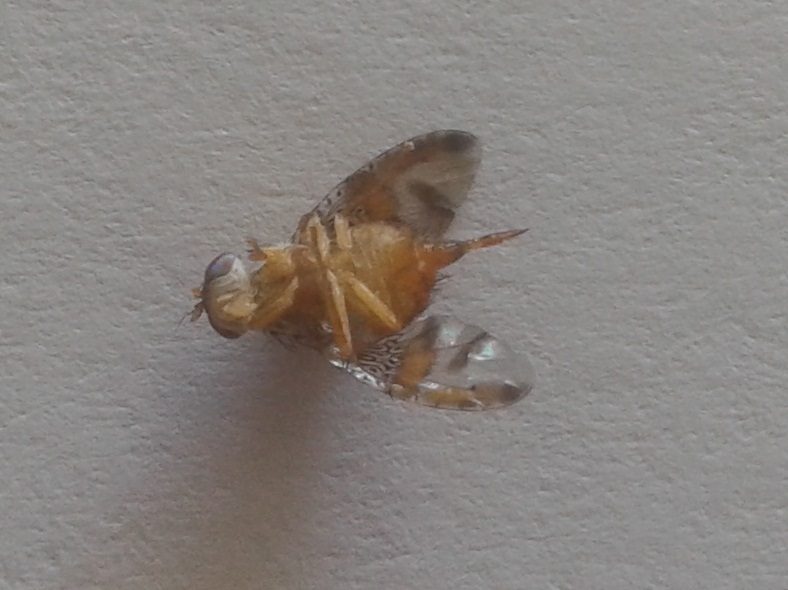
It attacks half-ripe and ripe fruit, which is then lost. In northern Greece it does not strike with the same intensity every year, and the reason lies in how it overwinters. Host range, the life cycle, the number of generations, monitoring with traps and what the traps can and cannot tell, dispersal distance, and the three control tools.

Iron deficiency in fruit trees: bicarbonate, chelates and what actually works

Iron deficiency in fruit trees: bicarbonate, chelates and what actually works

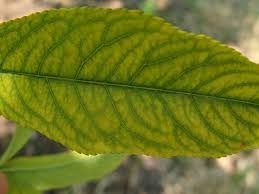
Lime-induced chlorosis is not a shortage of iron in the soil. Total iron in a chlorotic leaf is equal to or higher than in a green one; the calcareous soil and the irrigation water simply stop the tree using it. The real culprit is bicarbonate, the six conditions that bring the problem on, the chelate forms and their pH limits, corrected rates, and what a foliar spray can and cannot do.