Weather Ελληνικά Sign in
Technical articles

Articles — page 7

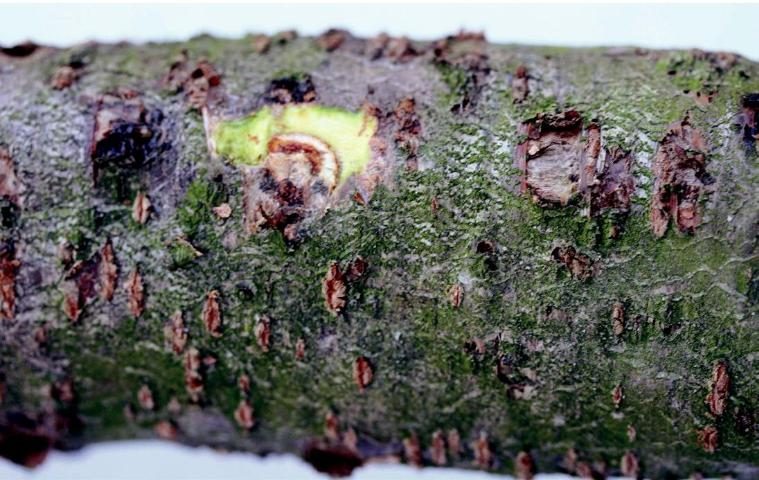
Peach fungal gummosis, Botryosphaeria dothidea

Peach fungal gummosis, Botryosphaeria dothidea

An endophyte, not an invader: it enters early and waits for stress. Why water stress two to six months after infection is what decides the damage, why the water-only control matched every fungicide in the 2008 trial, and what actually works, pruning, post-harvest irrigation and cultivar choice.
Peach
Persimmon fruit infested by Pseudococcus comstocki

Persimmon fruit infested by Pseudococcus comstocki

The mealybug hides on the peduncle, beneath the leaf-like calyx, so the infestation is invisible until grading. Why it is Pseudococcus comstocki and not Planococcus citri, how a hand lens tells them apart, and why that changes the spray from August to the April hatch.

Persimmon
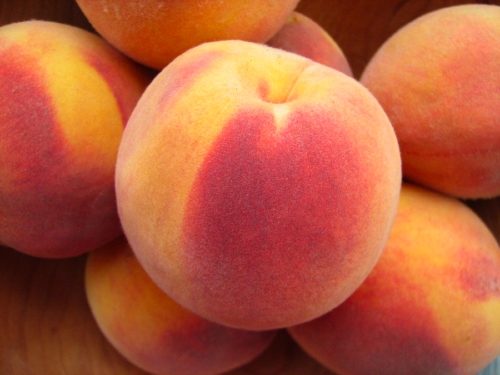
Annual cultural practice for peach

Annual cultural practice for peach

The most demanding of the stone fruits. Cultivar choice, the suggested sprays by phenological stage, leaf curl and its single treatment window, fertiliser programmes, and what is done after harvest.

Peach
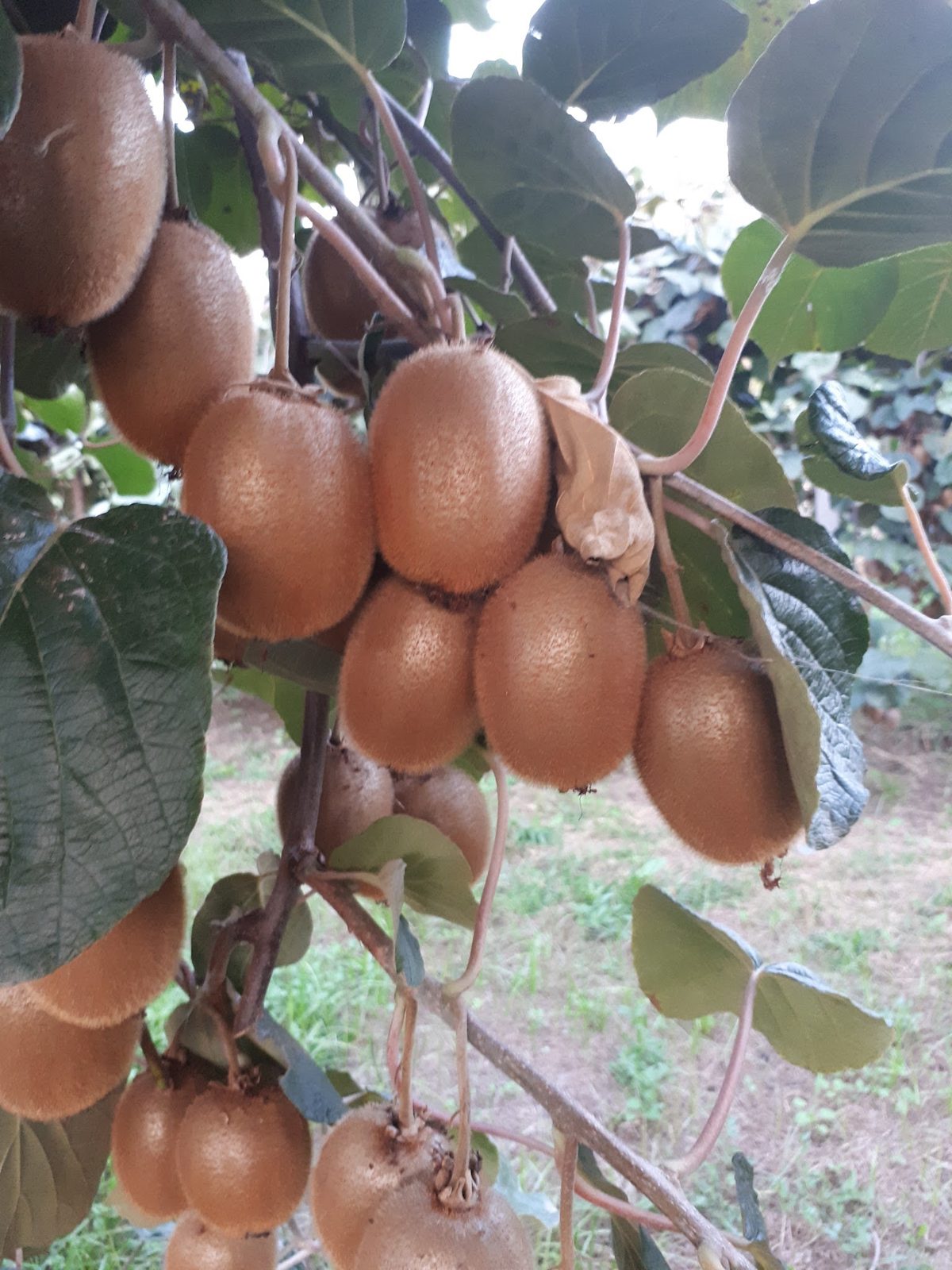
Annual cultural practice for kiwifruit

Annual cultural practice for kiwifruit

A subtropical species with high soil requirements, trained on a T-bar or a pergola, expensive to run and unforgiving of poor technique. Soil, water and nutrition, where the vine fruits, pollination as the decisive factor, the operations and sprays by phenological stage, bacterial canker, the calcium window and the harvest indices.

Kiwifruit
Walnut anthracnose: diagnosis and control

Walnut anthracnose: diagnosis and control

The most important fungal disease of walnut in Greece, found on almost every holding and capable of taking the whole crop. The correct name of the pathogen, the scale of the losses, differential diagnosis, the temperatures and humidity it needs, cultivar susceptibility and where Chandler stands, and the cultural measures without which the sprays do not hold.

Walnut
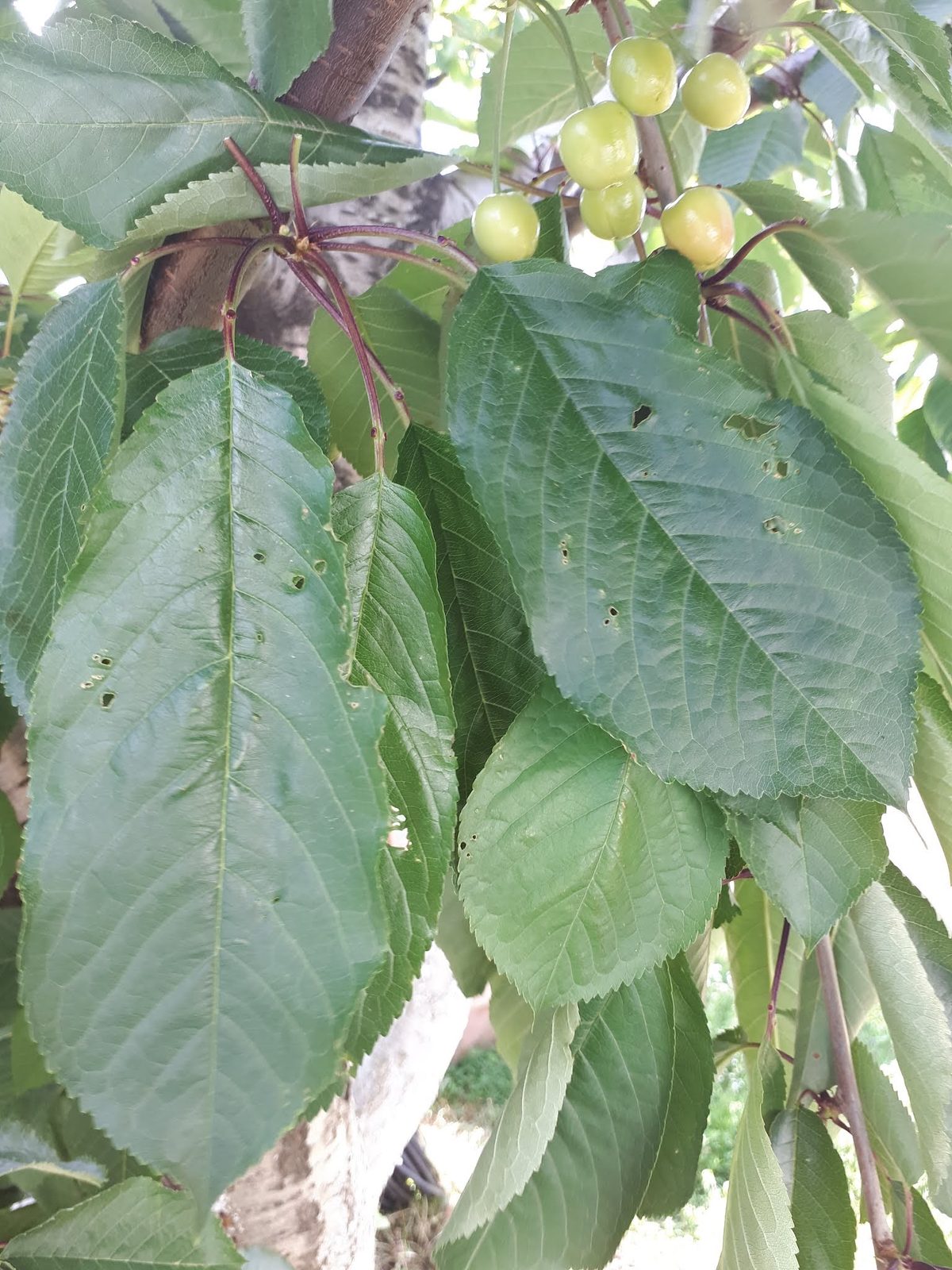
The nitrogen cycle in sweet cherry

The nitrogen cycle in sweet cherry

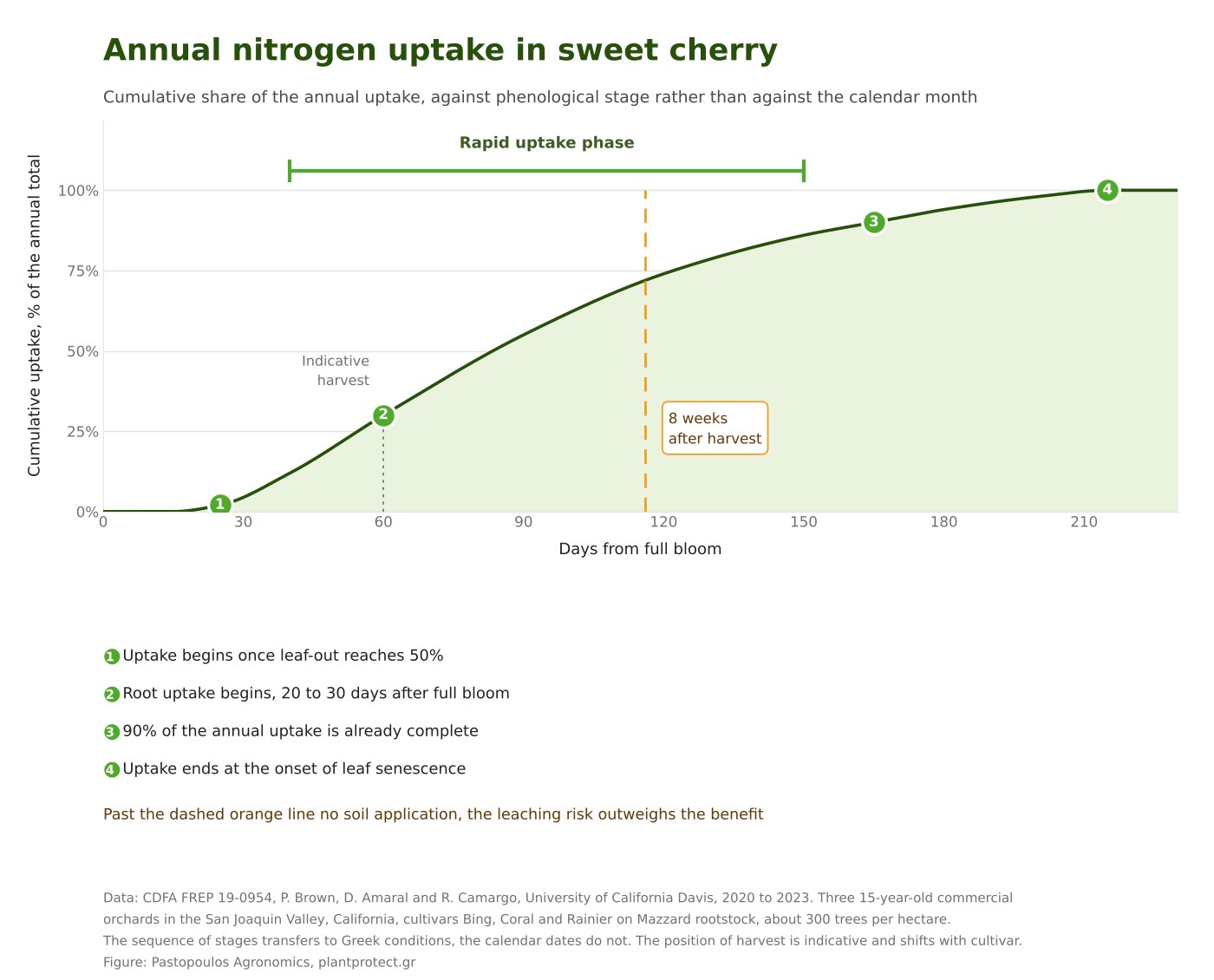
Half of the nitrogen used in spring does not come from the soil but from the previous season's reserves, which is why the base dressing almost always goes on at the wrong moment. Where the nitrogen comes from in spring, how much of the fertiliser is taken up by season, storage and the autumn transfer from leaves to buds, and what that means for the programme.

Sweet cherry
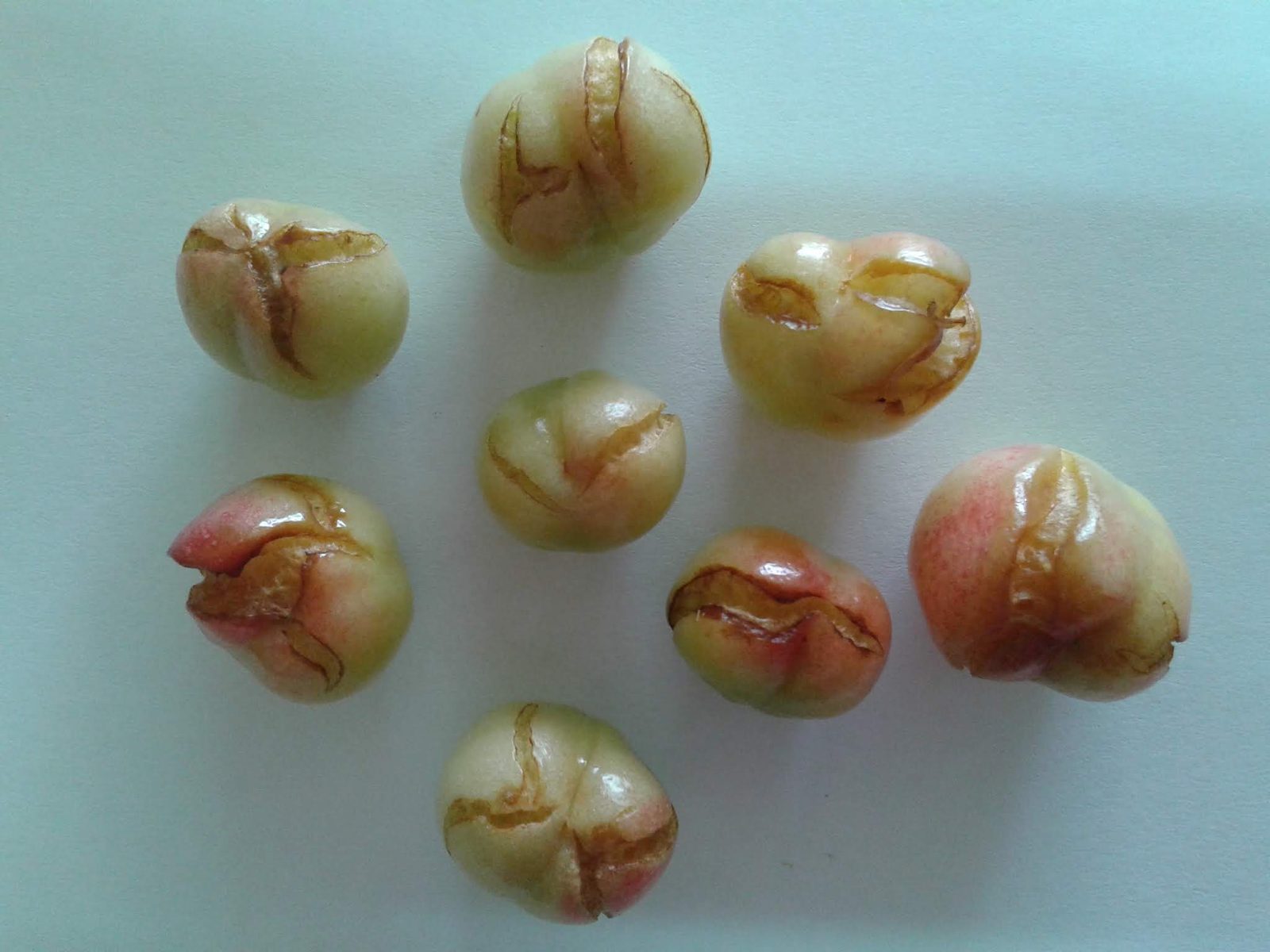
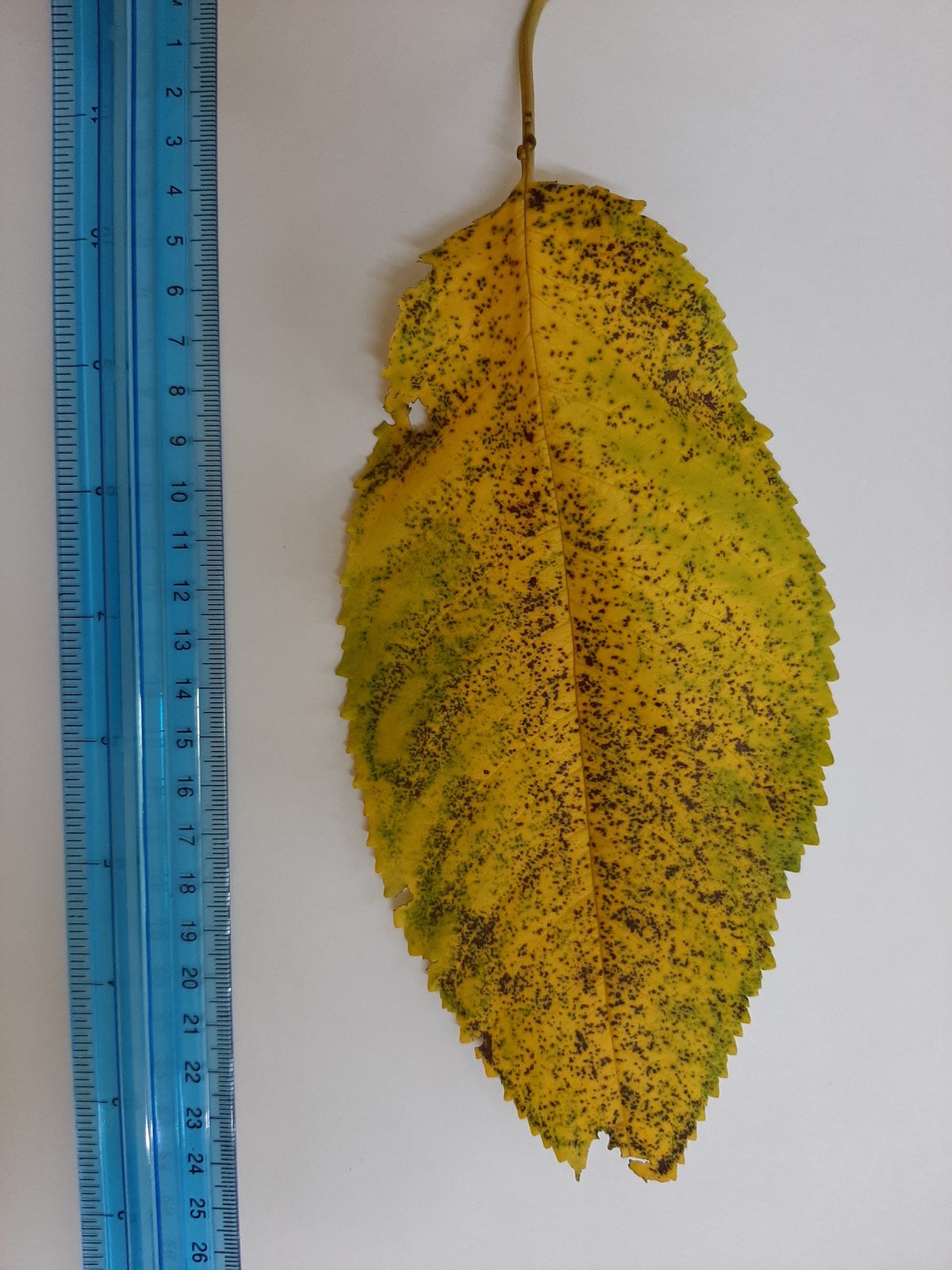
The virus diseases of sweet cherry in Greece

The virus diseases of sweet cherry in Greece

Sweet cherry is attacked by a range of viruses and none of them can be cured once a tree is infected. PNRSV, PDV and their synergy, the rusty mottle group, little cherry, ACLSV, CVA and CRLV: transmission routes, what has been found in Greece, sampling and diagnosis.

Sweet cherry