Weather Ελληνικά Sign in
Technical articles

Articles — page 6

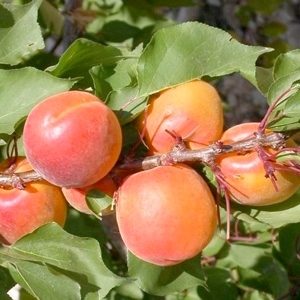
Annual cultural practice for apricot

Annual cultural practice for apricot

The single most important step is cultivar choice: it must suit the district and must not be susceptible to Sharka. The suggested spray programme by phenological stage, fertilisation, and the practices that decide the year.

Apricot
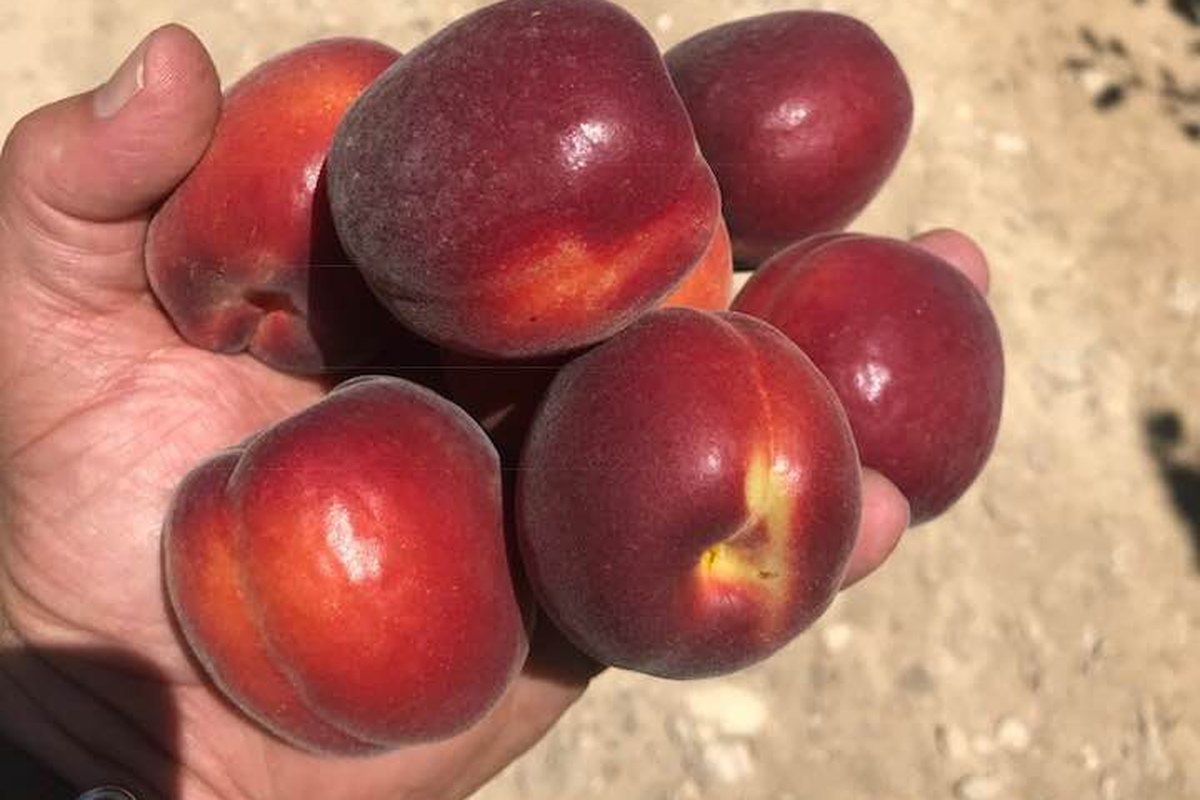
Apricot cultivars, an evaluation (upd. 05/08/2026)

Apricot cultivars, an evaluation (upd. 05/08/2026)

Twenty-one modern apricot cultivars, one by one, from orchards followed in Pella, northern Greece. Breeder datasheets and field observation are kept strictly apart, and where they disagree both are given. Why resistant, tolerant and susceptible are three categories and not two, and why the absence of sharka symptoms is not the absence of the virus.

Apricot
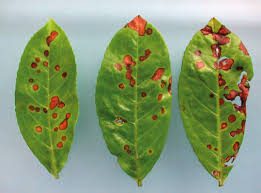
Walnut blight, Xanthomonas arboricola pv. juglandis

Walnut blight, Xanthomonas arboricola pv. juglandis

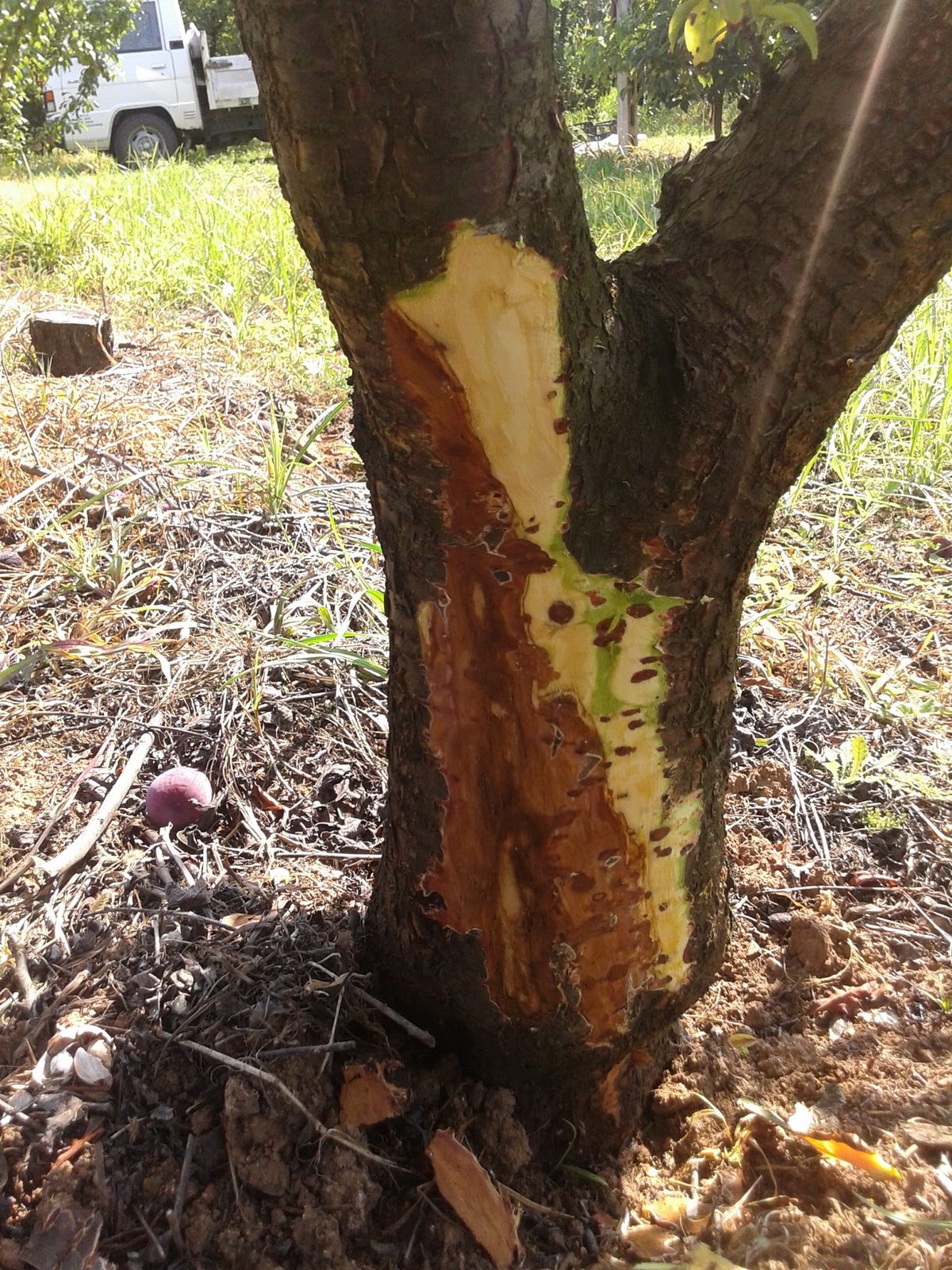
An aggressive disease that can take more than half the crop. The correct name of the pathogen, overwintering inside the dormant buds and why that load can be measured, the brown apical necrosis and vertical oozing canker forms, the per-tree risk scale counted in June, and the prayer-stage timing that is usually missed by ten days.

Walnut
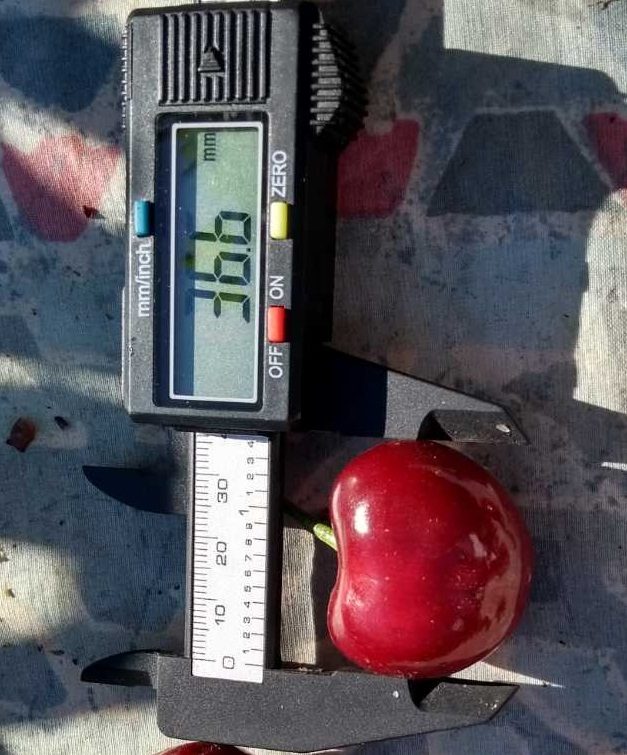
5 tips for larger cherries

5 tips for larger cherries

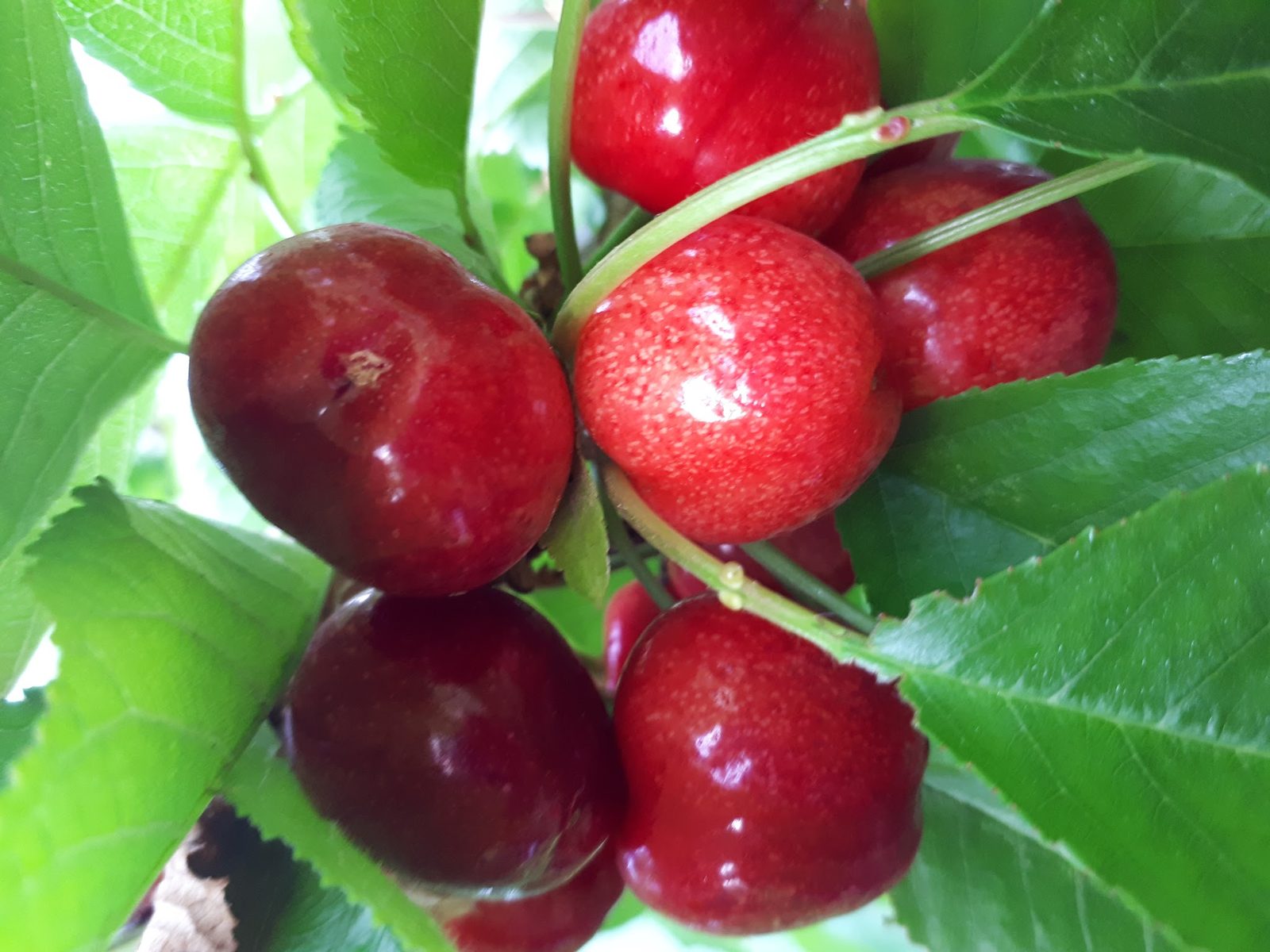
Quantity and size are inversely related, and size is decided at pruning: above 200 square centimetres of leaf area per fruit, about five leaves per cherry. Why double fruit are made the previous summer above 30 degrees, and why 20 ppm of gibberellin beat 30 ppm.

Sweet cherry
A survey of leaf analyses in sweet cherry

A survey of leaf analyses in sweet cherry

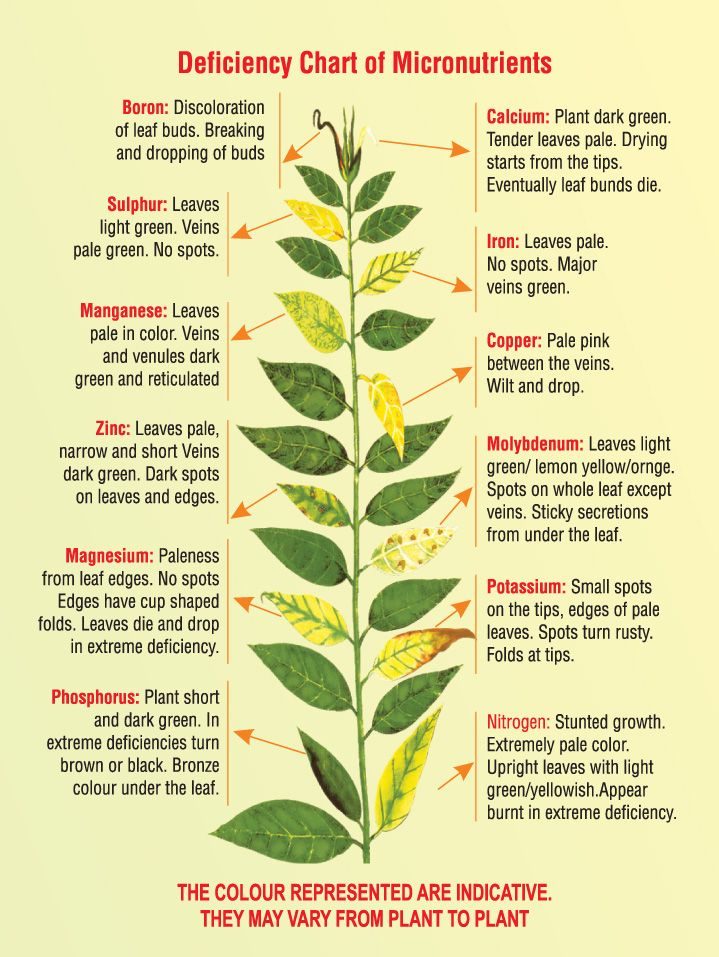
Ten paired leaf and soil analyses on holdings in three districts, over 10 July to 20 August 2020. In seven of the ten orchards the leaves showed nitrogen deficiency while every soil analysis reported sufficiency. The sufficiency thresholds, the trace-element findings, why soil and leaf disagreed, and what the survey cannot show.

Sweet cherry