
The cultivation of the almond tree
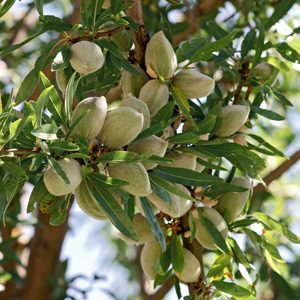
Savvas Pastopoulos, Agronomist MSc, Pastopoulos Agronomics
The almond belongs to the stone fruits, some classify it among the nuts. It is a perennial species that grows on a wide range of soils, but it prefers deep and fertile soils. It requires soils that drain freely and that can be irrigated, since its water requirements are high, contrary to the common belief that it does well on dryland holdings. Fields that hold water, or that are heavy in texture, will suffer serious problems of apoplexy from disease or from waterlogging. This manual sets out the basic fertilisation and crop protection practices season by season.
1. The dryland myth, what the numbers say
That distinction is the whole matter. The almond tolerates drought as a plant; as a crop it has among the highest water requirements of all the fruit trees.
How much water, and where it was measured. For mature almond orchards in California, with ground shading of at least 70%, seasonal crop evapotranspiration (ETc) for the growing season from March to 15 November is given by climatic zone as 1,205 to 1,386 mm, in the source, 47.43 to 54.56 inches [2]. In a three-year trial at Córdoba, Spain with the cultivar Guara, the seasonal ETc of the fully irrigated treatment was 1,088 mm [1]. In a third Mediterranean trial, full irrigation was 1,300 mm and the optimum was located at around 960 mm [4].
The three values rest on different growing seasons, different reference evapotranspiration and different planting densities. No published measurement of seasonal almond orchard ETc for Greek conditions was found, and none of the figures above transfers unchanged as a Greek irrigation requirement. What does transfer is the order of magnitude: the almond is a crop of one metre of water per season, not a dryland crop.
In the Spanish trial, maximum production was obtained where evapotranspiration was replaced in full [1]:
| Treatment | Percentage of full irrigation | Yield, three-year mean | Seasonal ETc |
|---|---|---|---|
| Full irrigation | 100% | 2,508.4 kg/ha | 1,088 mm |
| Deficit 1 | 69.7% | 2,038.2 kg/ha | 894 mm |
| Deficit 2 | 66.9% | 2,147.5 kg/ha | 887 mm |
| Deficit 3 | 43.2% | 1,496.9 kg/ha | 699 mm |
The treatment that received a little over 40% of full irrigation returned 59.7% of the maximum yield: a loss of about 40% [1]. These are Spanish data, from one cultivar and three seasons.
A dryland almond orchard is not decided by the cultivar, nor by the fertilisation. It is decided by the water, and the outcome is already visible in June.
There is one window in which regulated deficit irrigation carries little cost: the period around hull split. In a five-year trial in the northern Sacramento Valley, California, the stress was regulated by measuring stem water potential at −14 to −18 bar during hull split. The saving was about 127 mm of applied water per year, in the source, about 5 inches, with no significant reduction in yield over the five years [3].
With one reservation that is not left out: in the same trial the mean kernel weight was slightly lower [3]. The phrase “with no effect at all on the kernel” does not hold; the correct statement is “no significant loss of yield, at a small cost in size”.
A caution against generalising: this is a regulated deficit in a defined phase, with an instrument to measure it. A generalised deficit across the whole season is another matter: in a trial where the deficit treatment received 600 mm against the 1,300 mm of the full treatment, vegetative stress led to a 35% reduction in yield as early as the second experimental season [4].
2. The calendar of the year
The months that follow are the framework of an average Greek season. The phenological dates of the foreign work cited here belong to the country in which it was carried out and shift by district and by year; timing in the orchard is set by the phenological stage, not by the date.
January to February
- Sprays with copper formulations, mainly before and after pruning, to protect the pruning cuts and the leaf scars against the bacterium Pseudomonas amygdali and against fungal diseases such as Monilinia and Botryosphaeria. The documented part of this is anatomical: the hyperplastic cankers of the bacterium form on branches and twigs, usually at the leaf scars [15]. The efficacy of winter copper is not, however, established everywhere: for bacterial canker and blast of almond in California, where the cause is Pseudomonas syringae, it is reported that dormant copper did not give successful suppression and that most strains are copper resistant [17]. The number of applications and the rate are not given here as a figure: each is checked against the approvals database of the Greek Ministry of Rural Development and Food, valid in Greece only, and against the product label.
- Sprays with calcium polysulphide (lime sulphur) on holdings where cottony scale or globose scale has been detected. Otherwise a spray with summer paraffin oil and an insecticide. The choice of active substance and the rate follow the approvals in force for almond, which are valid in Greece only.
- The base fertilisation of the crop is carried out in mid-February, set out in detail in chapter 3.
- Foliar zinc where the deficiency is documented by leaf analysis or by the symptoms, little leaf and rosetting on the new growth, with the older growth appearing healthy [28]. The rates given for California are about 11 kg of basic zinc sulphate per hectare in at least 930 litres of spray solution, in the source, 10 pounds in 100 gallons per acre, in two applications two weeks apart [28]; for the autumn and the winter application, 10 to 15 pounds of 36% zinc sulphate in 100 gallons are reported, never together with oil [29]. A caution on phytotoxicity: rain close to the application can cause holes in the leaves, as the zinc left on the surface is reactivated [28]. Greek rates are checked on the label of the approved formulation.
- On dryland holdings, attapulgite is applied at planting, to retain moisture in the root zone. This is a field practice; no published measurement of its effect on almond was found.
- On holdings with a history of aphids or lepidopteran larvae, a summer oil spray combined with the appropriate insecticides is applied before bloom, in accordance with the approvals, which are valid in Greece only.
March to April
- The spring sprays against blossom blight are placed phenologically. In the Californian guidelines the applications are made at pink bud, that is at 5 to 10% bloom, and at full bloom; in seasons with little rain a single application at full bloom may suffice [10]. The almond shows its greatest susceptibility during bloom, and the damage does not stop at the flower: once the fungus passes into the twig it forms a canker with a light-coloured centre and a dark margin [10].
- Where bloom coincides with dry weather, these two applications are usually sufficient. Where bloom is prolonged and accompanied by rain, or where the disease was severe in the previous season, a second or even a third application close to full bloom may be needed [10]. Monitoring of the bloom for symptoms is continuous.
- Most almond trees in Greece are not self-fertile and require the presence of a pollenizer. Self-incompatibility in almond is of the gametophytic type, controlled by the gene complex of the S locus [26]. In that case a strong presence of honeybees is also essential, with the figures in chapter 9.
- Because of the early bloom, damage to the flowers from spring frost is possible. The application of amino acids or glycine before the frost is used in practice, but no published measurement of its efficacy on almond was found, and it does not substitute for the choice of site and of late-flowering cultivars.
May to June
- After the end of bloom, fruit growth begins and the nutritional requirements of the tree are high. The compression in time has been measured: 67 to 76% of the total nitrogen and 45 to 61% of the total potassium of the fruit have accumulated by 86 days from full bloom, in trials in Kern County, California [9].
- This is where the second soil fertilisation is placed. Its size follows from the balance in chapter 3 and not from a recipe: a rate of the order of 150 kg of ammonium sulphate nitrate per hectare delivers about 40 kg of nitrogen per hectare, that is one of the two or three splits of the season. On acid soils urea is preferred.
- The use of humic and fulvic acids with the irrigation is a widespread practice for improving structure and the availability of the elements. No published measurement of their effect on nutrient uptake by almond was found, and the statement is limited to that.
- Fungicide cover against blossom blight and red leaf blotch remains critical, and the criterion is rain: for red leaf blotch, the model tested at Lleida, Spain places the application within 7 days of rainfall greater than 10 mm, with a mean daily temperature between 10 and 20 °C, and achieved a result equivalent to three or four applications instead of the seven of the conventional programme [12]. The practice of “two sprays a month on young trees” does not correspond to any published programme and is replaced by the rainfall criterion.
- On holdings with a history of Cytospora or Botryosphaeria, the documented measures are not spray measures: avoidance of wounding of the trunk and scaffolds, limiting their wetting by the irrigation system, and removal of affected branches and of wood from the orchard [19].
- Monitoring of the almond seed wasp population, so that the spray can be scheduled, set out in detail in chapter 8.
- Under an excessive crop load or reduced vegetative growth, a crystalline fertiliser is supplied through fertigation. The quantity is again calculated from the balance, with the grade of the fertiliser determining the units actually added.
July to August
- The order of development is fixed: the hull and the shell grow first, and only afterwards does the seed fill. In California the young fruit reaches its full size in late April, when hardening of the shell also begins, while enlargement of the embryo starts in May and is completed within June [30]. Under Greek conditions the sequence is the same; the dates shift.
- During seed filling, irrigation and nutrition are essential. Water stress in this period leads to lower kernel weight and lower kernel quality [30].
- On holdings with low organic matter, an application of humic and fulvic acids is made through fertigation.
- From the beginning of August nitrogen fertilisation stops and the irrigation intervals are widened. The reason is the same as before: most of the nitrogen has already been taken up within the first three months from bloom [9].
September
- The fruit ripens. Harvest is by shaking the trees, either by hand or mechanically with shakers. The hard green hull turns yellow, dehydrates and splits; the hard shell is visible inside.
- After harvest, the priority for Cytospora is the removal of affected wood: the cut is made well below the canker, into healthy wood, and is accompanied by correct management of soil moisture, since drought-stressed trees are the susceptible ones [18]. No spray programme specifically for these cankers is documented in the guidelines that were checked [18] [19].
- An autumn foliar spray with zinc and boron follows. It is one of the few foliar applications with a measured result: yield increases of 220 to 450 kg of kernel per hectare, in the source, 200 to 400 pounds of kernel per acre, are reported from an application made the previous autumn in California [27]. The reason is that the elements enter the buds for the bloom of the following season [27]. Boron, however, is not applied blind: it is not applied where hull analysis shows 200 ppm of boron or more, because the excess is toxic [27]. The addition of urea to the same spray is a widespread practice, but no specific concentration is cited here: no published value for almond was found, and phytotoxicity depends on the type of urea and on the temperature.
- For Phytophthora, no documentation was found for a foliar spray before leaf fall. The measures that do make sense are drainage, the height of the graft union above the wetted line, and the avoidance of prolonged wetting of the crown.
- All branches that have died back from whatever cause are cleared from the tree, together with the mummified fruits of the almond seed wasp.
October to December
- In these months the almond enters dormancy. The copper spray at leaf fall targets the scars left by the leaf petioles, the place where the hyperplastic cankers are documented to form [15]. It is a standing Mediterranean practice; its efficacy against Pseudomonas amygdali has not been quantified in any published Greek trial, and for the related P. syringae in California the corresponding winter copper application did not give successful suppression [17].
- From the end of December pruning can begin in the warmer districts.
The point of entry is documented. The perennial cankers caused by Pseudomonas amygdali form on branches and twigs, usually at the leaf scars [15]. Leaf fall is therefore the one moment at which that point of entry is open on a large scale, and that is where the cover is placed.
The size of the benefit is not documented. The description “the most important spray of the year” does not rest on any measurement. On the contrary, the Californian experience with dormant copper against P. syringae is negative, with copper-resistant strains [17]. That is a different pathogen and different conditions, but it is the only published evaluation that was found, and it is reported as it stands.
Sources: 9 10 12 15 17 18 19 26 27 28 29 30
3. Fertilisation in numbers
Where the soil analysis is complete and no corrective measure is required, the base fertiliser is chosen according to soil fertility, the age and vigour of the crop, and the expected production.
For a yield of 1,500 to 2,000 kg of kernel per hectare the requirement is:
- 120 to 180 kg N/ha, depending on the vigour of the trees and the texture of the soil
- 50 kg P₂O₅/ha
- 160 to 200 kg K₂O/ha
The nitrogen is applied in 2 or 3 splits. As an indication, one application of a fertiliser of the 20-5-10 or 21-8-11 type at 1.5 kg per tree, or of 12-12-17 at 2 kg per tree, spread over the whole perimeter of the canopy. At a planting distance of 5 × 5 metres, that is 400 trees per hectare, the first corresponds to 600 kg of fertiliser and 120 kg of nitrogen per hectare, the second to 800 kg and 96 kg. This correspondence is arithmetic, not a recipe taken from a source, and it changes with the planting density.
Fertilisation may be varied according to the conditions of each holding, for example, according to how well irrigated it is.
The methodology calculates nitrogen as removal in the crop plus the requirement for vegetative growth. The published coefficients, all from California, are:
- 68 kg of nitrogen per tonne of kernel are removed at harvest, and that value includes hull, shell, leaves and residues, not the kernel alone [6]. In the source, 68 pounds per 1,000 pounds of kernel; the ratio is dimensionless and transfers unchanged into the metric system.
- The same value follows independently from the weighted mean of the Californian fertilisation guidelines, 136 pounds of nitrogen per short ton of kernel, with a range of 102 to 174 [7], that is 68 kg per tonne, with a range of 51 to 87.
- For vegetative growth a further 22 to 45 kg of nitrogen per hectare per year is required, in the source, 20 to 40 pounds per acre, in vigorous bearing trees with light interception above 70% [5]. An independent measurement gives an increase in the nitrogen of the perennial parts of trees 9 to 13 years old of 25 to 30 pounds per acre per year, that is 28 to 34 kg per hectare [6], within the same range.
The calculation: 1,500 to 2,000 kg/ha means 1.5 to 2.0 tonnes of kernel per hectare. Removal: 1.5 to 2.0 × 68 = 102 to 136 kg N/ha. Adding vegetative growth, 124 to 181 kg of nitrogen per hectare. The range of 120 to 180 falls almost exactly on the balance.
Potassium needs care with the unit. The published removal is 80 pounds of potassium per 1,000 pounds of kernel, hull and shell included [8], that is 80 kg of K per tonne of kernel. Fertiliser units, however, are expressed as K₂O, and the factor is 1.2046: 96.4 kg of K₂O per tonne of kernel. For 1.5 to 2.0 tonnes per hectare this gives 145 to 193 kg K₂O/ha. The range of 160 to 200 is justified by the removal alone; fixation by the soil does not need to be invoked for it to stand.
Two practical conclusions: (a) the main supply must be completed within the first three months after bloom, which is why the 2 to 3 splits are placed there; (b) nitrogen applied after the beginning of August does not reach the fruit in time. The overall target proposed for California is 80 to 100 pounds of nitrogen per 1,000 pounds of kernel produced, that is 80 to 100 kg per tonne, so that the losses of the application are covered as well [5].
4. Monilinia, the disease that decides the year at bloom
The valid name of the genus is Monilinia, not Monilia, the latter is the name of the asexual stage. On almond, blossom blight is caused mainly by Monilinia laxa, and more rarely by Monilinia fructicola [10].
The almond is the earliest-flowering fruit tree grown in Greece. It blooms in February or March, that is in the wettest and coolest period of the year. It is no coincidence that blossom blight is its number one problem: its phenology coincides with the optimum of the pathogen.
On almond the applications against blossom blight are compressed into a few weeks, pink bud and full bloom, with a second or even a third application where bloom is prolonged by rain [10]. The risk of resistance is among the highest in the whole of fruit growing, and it is not theoretical: strains of Monilinia fructicola and Monilinia laxa resistant to the benzimidazoles have already been recorded in Californian almond orchards [11].
The rule given is explicit: rotation of the FRAC group number at every application within the season and, where possible, use of each group only once a year, with the exception of the multi-site active substances [11].
Blossom blight in detail, with the symptoms and the diagnostic tool →
5. Red leaf blotch
Red leaf blotch is caused by the fungus Polystigma amygdalinum (formerly reported also as Polystigma ochraceum). It causes premature defoliation and a reduction in production, and it is an endemic disease throughout the Mediterranean and the Middle East [12].
The classic description comes from Fars province, Iran: ascospore release begins with bloom and continues for 4 to 5 weeks, with the peak at petal fall [14]. In the same work incubation was estimated at 4 to 5 weeks, and the programme tested was one application at petal fall and two more at 14-day intervals [14].
That pattern has not been reproduced unchanged elsewhere. In a two-year record with spore traps in Catalonia, north-eastern Spain, ascospores were detected mainly from April to June, with the peaks shifting from orchard to orchard between May and August, and the authors attribute the difference to the climate of each district [13]. No corresponding Greek record was found published.
The criterion that transfers best is not a calendar criterion but a meteorological one. The model evaluated at Lleida, Spain places the spray within 7 days of rainfall greater than 10 mm, with a mean daily temperature between 10 and 20 °C, and achieved protection equivalent to the conventional programme with three or four applications instead of seven [12].
The trap, which applies in every district: incubation lasts 30 to 40 days and can reach ten weeks [13]. By the time the red blotches appear on the leaves, infection took place about a month earlier. A spray at the moment the symptom appears serves no purpose, the battle was decided in the spring rains.
6. Bacterial canker of almond
Pseudomonas amygdali was described as a new species in 1975 by Psallidas and Panagopoulos, in the Annales de l'Institut Phytopathologique Benaki of the Benaki Phytopathological Institute [15]. It causes the hyperplastic bacterial canker of almond, a disease characteristic of this crop, which should not be confused with the bacterial canker of the other stone fruits.
The taxonomic statement calls for precision. This is not a pathovar that was “promoted” to a species: phylogenomic analysis places P. amygdali as a distinct species within the Pseudomonas syringae group, with priority of name over P. ficuserectae, P. meliae and P. savastanoi, which are regarded as its later synonyms [16].
- The cankers form on branches and twigs, usually at the leaf scars [15]. This is also the information that determines the timing of the copper sprays.
- They begin as swellings of the bark that open and split, surrounded by swollen and darkened bark tissue. The swelling, the hyperplasia, is associated with growth regulators produced by the bacterium itself [15].
The practical consequence: because the cankers are perennial, the removal of affected branches is worthwhile whenever they are detected, provided the weather is dry.
The hyperplastic canker and the other bacterial diseases in detail →
7. Cytospora and Botryosphaeria
The two wood diseases
- Cytospora (Cytospora, teleomorph Leucostoma), cankers that are slightly sunken, smooth, roughly elliptical and reddish-brown, often exuding abundant gum; on their surface pimple-like structures, the pycnidia, can be seen, from which yellow to red spore tendrils emerge in wet weather [18]. This is the most reliable feature for distinguishing them from bacterial canker.
- Botryosphaeria, on almond the causes recorded are Botryosphaeria dothidea, Diplodia seriata, Neofusicoccum mediterraneum and related species of the family Botryosphaeriaceae [19].
Both are diseases of opportunity. Infection takes place through growth cracks in the bark of young trees and through pruning cuts [19], while trees that have suffered water stress are the susceptible ones [18].
The measures that are documented are cultural, not spray measures: avoidance of wounding of the trunk, limiting the wetting of trunk and scaffolds by the irrigation system, removal of affected branches and of wood from the orchard, and removal of other woody hosts from its surroundings [19]; for Cytospora, a cut well below the canker, into healthy wood, and correct management of soil moisture [18].
Twig and scaffold cankers in detail →
8. The almond seed wasp
The almond seed wasp (Eurytoma amygdali) is a serious pest of almond, with the soft-shelled cultivars the most susceptible. Infested fruits blacken and do not ripen.
The feature that determines everything: the insect is univoltine, one generation a year, and the larva overwinters inside the fruit, feeding on the seed; pupation takes place inside the fruit in late winter or early spring, and the adult emerges by cutting a circular hole in the hard shell [20]. The blackened mummified fruits that remain attached to the tree are therefore the reservoir for the following year.
And the hardest part: diapause does not end for every individual in the same winter. A small part of the population completes its life cycle in two or more years, through prolonged diapause [20]. The phenomenon has been studied with Greek material: diapausing larvae in fruits of the cultivars Retsou and Truoito, from coastal districts of northern Greece [21]. In practice this means that a mummy left on the tree this year can release insects in later years as well.
The first and cheapest measure is therefore the removal and destruction of all mummified fruits from the tree and from the ground during winter pruning. It is not a supplementary measure; it is the main one. And it must be done systematically for at least three consecutive years for the reservoir to be emptied, a conclusion that follows from the multi-year diapause [20], not from a separate trial of duration.
The almond seed wasp in detail: emergence phenology, pheromone, spray data →
9. Pollination and cultivars
In Greece the dominant cultivar is Ferragnes. In recent years, however, new cultivars that are self-fertile and productive are being planted, such as Vairo, Soleta, Isabelona and others.
The almond is described as a self-incompatible species: self-incompatibility is of the gametophytic type, controlled by the multigene complex of the S locus, and the self-compatible accessions that were identified have been exploited in breeding [26]. The new self-fertile cultivars came out of the Spanish programmes: the programme of IRTA in Catalonia released Vairo, Marinada, Constantí and Tarraco, with the stated aims of self-fertility, so that pollination problems are reduced, and late flowering, so that spring frosts are avoided [24]. A useful detail when buying from a nursery: the Spanish Guara proved genetically identical to the Italian Tuono, across 35 molecular markers [25], it is the same cultivar under two names.
The number of hives changes, but not as much as is claimed. For the classic self-incompatible cultivars, the recommendation of the University of California is about 5 hives per hectare, in the source, two hives of 6 to 8 frames per acre [22]. For the self-fertile cultivars there are two different recommendations, both from California: 1.2 to 2.5 hives per hectare, in the source, half to one hive per acre, from an economic analysis of stocking [23], and 2.5 to 3 hives per hectare, a figure that comes explicitly from European practice and is proposed for trial [22]. That is, the reduction is to between one quarter and one half of the hives, not consistently to one quarter. Corresponding Greek data for almond have not been published.
A misunderstanding to avoid: self-fertile does not mean “without bees”. In a comparison of trees with and without access by bees in a self-fertile cultivar, the trees with access gave kernels 8% larger and about 20% higher yield [23]. It means “with fewer bees”, not “with none”.
10. Establishment and pruning
The choice of site
- The almond is an early-flowering species, and for that reason frost-prone districts are to be avoided. Where that is not possible, the answer lies in the cultivar: late flowering is a stated aim of the Spanish breeding programmes for precisely this reason [24].
- Close attention to the planting distances. On fertile land the wider distances are kept, at least 5 × 5 metres. This figure is field practice for Greek conditions, not a published experimental result; it also serves as the basis of the per-tree conversions in chapter 3.
- Soil that drains freely, the most basic criterion, as stated in the introduction.
Pruning
The pruning of almond is straightforward but calls for some experience. It follows the training principles of peach, but with taller trees. Care is required so that spurs and rosettes are not removed, since these are basic fruiting organs. The correspondence with peach is established practice and not a published comparison of training systems for almond.
With one contradiction that is stated openly: the same cuts are points of entry for Botryosphaeria [19]. That is why pruning is done in dry weather, and why the avoidance of unnecessary wounding counts for as much as the removal of the diseased wood.
The manual above is indicative and may be varied according to the conditions of each holding, in the judgement of a specialist agronomist. No trade names of formulations are given; the choice is made on the basis of the approvals in force from the Greek Ministry of Rural Development and Food, and of the rates and pre-harvest intervals stated on the label. Those approvals are valid in Greece only: they carry no force in any other country, and a reader outside Greece is to follow the approvals, the rates and the pre-harvest intervals of the national authority of the country in which the orchard lies.
11. Sources
The numbers in the text refer to the list below. Where only the abstract and not the full text was used, this is stated explicitly. Every source in the list was opened and read; those from the previous list that could not be opened, or that did not contain what was attributed to them, have been removed.
- [1] Yield response of almond trees to transpiration deficits. Irrigation Science (2018). Source for the three-year trial at Córdoba, Spain with the cultivar Guara: 2,508.4 kg/ha under full irrigation, 2,147.5 / 2,038.2 / 1,496.9 kg/ha at 66.9 / 69.7 / 43.2% of it, and seasonal ETc of 1,088 / 887 / 894 / 699 mm. Abstract.
- [2] Almond Irrigation Improvement Continuum, Almond Board of California. Source for the seasonal ETc of mature Californian almond orchards by climatic zone, 47.43 to 54.56 inches for the growing season from March to 15 November, on holdings with shading of at least 70%. Full text.
- [3] Regulated deficit irrigation reduces water use of almonds without affecting yield. California Agriculture 65(2):90. Source for regulated deficit irrigation at hull split in the northern Sacramento Valley: a criterion of −14 to −18 bar of stem water potential, a saving of about 5 inches per year, a slightly lower mean kernel weight, and no significant reduction in yield over five years. Abstract.
- [4] Deficit irrigation limits almond trees' photosynthetic productivity and compromises yields. Agricultural Water Management 289 (2023). Source for the comparison of 600 mm of deficit against 1,300 mm of full irrigation, the optimum at about 960 mm, and the 35% reduction in yield as early as the second experimental season. Abstract.
- [5] Nitrogen management in mature almonds, Part 1, The Almond Doctor, University of California. Source for the 65-70 lb of nitrogen per 1,000 lb of kernel, for the 20-40 lb of nitrogen per acre per year for vegetative growth in trees with light interception above 70%, and for the target of 80-100 lb of nitrogen per 1,000 lb of kernel produced. Full text.
- [6] Online nutrient guidelines for almond, University of California / Kern River Watershed Coalition Authority. Source for the 68 lb of nitrogen per 1,000 lb of kernel removed at harvest together with hull, shell, leaves and residues, and for the annual increase of 25-30 lb of nitrogen per acre in the perennial parts of trees 9 to 13 years old. Full text.
- [7] Nitrogen, Almonds. California Crop Fertilization Guidelines, CDFA / FREP. Source for the weighted mean of 136 lb of nitrogen per short ton of kernel, with a range of 102 to 174 across the studies it collects. Full text.
- [8] Potassium management for sustained almond yields, Sacramento Valley Orchard Source, University of California. Source for the 80 lb of potassium, potassium, not K₂O, per 1,000 lb of kernel exported with the crop, hull and shell included. Full text.
- [9] Optimization of nitrogen and potassium nutrition to improve yield and yield parameters of irrigated almond. Scientia Horticulturae. Source for the 67-76% of total nitrogen and the 45-61% of total potassium accumulated in the fruit by 86 days from full bloom, in a commercial almond orchard in Kern County, California. Abstract and introduction.
- [10] Brown Rot Blossom Blight, Almond. UC IPM Pest Management Guidelines. Source for Monilinia laxa as the main cause, for placing the applications at pink bud (5-10% bloom) and at full bloom, for the second or third application where bloom is prolonged with rain, and for the description of the cankers on affected twigs. Full text.
- [11] Fungicide Resistance Management, Almond. UC IPM Pest Management Guidelines. Source for the rule of rotating FRAC groups at every application and using each group once per season, and for the presence of resistant strains of Monilinia laxa and M. fructicola in Californian almond orchards. Full text.
- [12] Modeling the airborne inoculum of Polystigma amygdalinum to optimize fungicide programs against almond red leaf blotch. Plant Disease. Source for the spray criterion of within 7 days of rainfall greater than 10 mm with a mean daily temperature of 10 to 20 °C, for the reduction to three or four applications instead of seven, and for the description of the disease as endemic in the Mediterranean and the Middle East. The data come from Lleida, Spain. Abstract.
- [13] Pons-Solé, G. et al. (2023). Airborne inoculum dynamics of Polystigma amygdalinum and progression of almond red leaf blotch disease in Catalonia, NE Spain. Annals of Applied Biology. Source for the incubation of 30 to 40 days and for the detection of ascospores mainly from April to June in Catalonia, with peaks that shift from orchard to orchard, that is, for the way the Iranian pattern varies by district. Full text.
- [14] Banihashemi, Z. (1990). Biology and control of Polystigma ochraceum, the cause of almond red leaf blotch. Plant Pathology 39. Source for the onset of ascospore release with bloom and its continuation for 4 to 5 weeks with a peak at petal fall, and for the programme of one application at petal fall and two more at 14-day intervals. The data come from Fars province, Iran. Abstract.
- [15] Some disease determinants in the hyperplastic bacterial canker of almond incited by Pseudomonas amygdali. Springer. Source for the formation of the hyperplastic cankers on branches and twigs, usually at the leaf scars, for the production of growth regulators by the bacterium, and for the original description of the species in 1975 by Psallidas and Panagopoulos in the Annales de l'Institut Phytopathologique Benaki. Abstract.
- [16] Gomila, M. et al. (2017). Clarification of taxonomic status within the Pseudomonas syringae species group based on a phylogenomic analysis. Frontiers in Microbiology 8:2422. Source for the position of Pseudomonas amygdali as a distinct phylogenomic species within the P. syringae group, with priority of name over P. ficuserectae, P. meliae and P. savastanoi. Full text.
- [17] Bacterial Blast and Bacterial Canker, Almond. UC IPM Pest Management Guidelines. Source for the finding that the winter copper application was not found to give successful suppression and that most strains are copper resistant, for Pseudomonas syringae on almond in California, not for the hyperplastic canker. Full text.
- [18] Cytospora Canker. UC IPM. Source for the description of the cankers as slightly sunken, smooth, elliptical and reddish-brown with gum exudation, for the pimple-like pycnidia on their surface and the spore tendrils, for the susceptibility of drought-stressed trees, and for the removal of wood well below the canker into healthy tissue. Full text.
- [19] Band Canker, Almond. UC IPM Pest Management Guidelines. Source for the causes Botryosphaeria dothidea, Diplodia seriata and Neofusicoccum mediterraneum, for infection through growth cracks in the bark and through pruning cuts, and for the cultural measures: avoidance of wounding, limiting the wetting of the trunk by the irrigation system, removal of affected branches and of woody hosts. Full text.
- [20] Almond seed wasp, Eurytoma amygdali Enderlein (Hymenoptera: Eurytomidae). Encyclopedia of Entomology, Springer. Source for the univoltine development, for the fact that a small part of the population completes the cycle in two or more years through prolonged diapause, for pupation inside the fruit in late winter and early spring, and for the emergence of the adult through a circular hole in the shell. Abstract.
- [21] Diapause completion in the almond seed wasp, Eurytoma amygdali (Hymenoptera: Eurytomidae), following early low temperature treatment. European Journal of Entomology. Source for the Greek data: diapausing larvae in fruits of the cultivars Retsou and Truoito, from coastal districts of northern Greece, collected in early August. Abstract.
- [22] Factors to consider when determining honeybee hive needs for almond orchards, The Almond Doctor, University of California. Source for the recommendation of two hives of 6 to 8 frames per acre, that is 5 hives per hectare, on the self-incompatible cultivars, and for the figure of 1 to 1.25 hives per acre (2 to 3 per hectare) that comes from European practice and is proposed as a reasonable range for the self-fertile cultivars of California. Full text.
- [23] Pollination guidance for self-fertile almonds. West Coast Nut (2024). Source for the economically justified range of half to one hive per acre in self-fertile almond orchards in California, and for the measurement that trees with access to bees gave kernels 8% larger and about 20% higher yield than the isolated trees. Full text.
- [24] Important traits in IRTA's new almond cultivars. Acta Horticulturae 912. Source for the release of the four cultivars Vairo, Marinada, Constantí and Tarraco by IRTA, and for the stated aims of the programme: self-fertility to limit pollination problems and late flowering to avoid spring frosts. Abstract.
- [25] The origin of the self-compatible almond “Guara”. Scientia Horticulturae. Source for the identification of the Spanish Guara with the Italian Tuono, with an identical genetic fingerprint across 35 molecular markers. Abstract.
- [26] Almond self-incompatibility genetics: recent progress and future prospects. Acta Horticulturae 1028. Source for the gametophytic type of self-incompatibility in almond, its control by the multigene complex of the S locus, and the use of self-compatible accessions in breeding programmes. Abstract.
- [27] Fall foliar nutrients, zinc and boron review, The Almond Doctor, University of California. Source for the fact that the autumn foliar spray introduces zinc and boron into the buds for the bloom of the following season, for the measured increases of 200 to 400 pounds of kernel per acre, and for the restriction that boron is not applied where the hull shows 200 ppm or more. Full text.
- [28] Zinc deficiency in almond, The Almond Doctor, University of California. Source for the symptoms on the new growth with the older growth healthy, for the rate of 10 pounds of basic zinc sulphate in at least 100 gallons of water per acre in two applications two weeks apart, and for the mechanism of phytotoxicity when rain follows. Full text.
- [29] Zinc in almonds, University of California Cooperative Extension, Kern County. Source for the three alternative zinc applications in California, autumn, winter with 10 to 15 pounds of 36% zinc sulphate in 100 gallons, and spring, and for the recommendation that it is not combined with oil. Full text.
- [30] The seasonal patterns of almond production, The Almond Doctor, University of California. Source for the sequence of fruit development in California: full size of the young fruit and onset of shell hardening in late April, enlargement of the embryo from May to June, and reduced kernel weight and quality from water stress in that phase. Full text.
Related articles
The almond blossom weevil: the pest that works in winter
Anthonomus amygdali destroys flower buds from November to February, with losses that reached 83% in Apulia. The Greek data is very thin. The cycle month by month, recognition in the field, the monitoring methods, and the two windows in which the insect is reachable, the autumn one and the spring one.
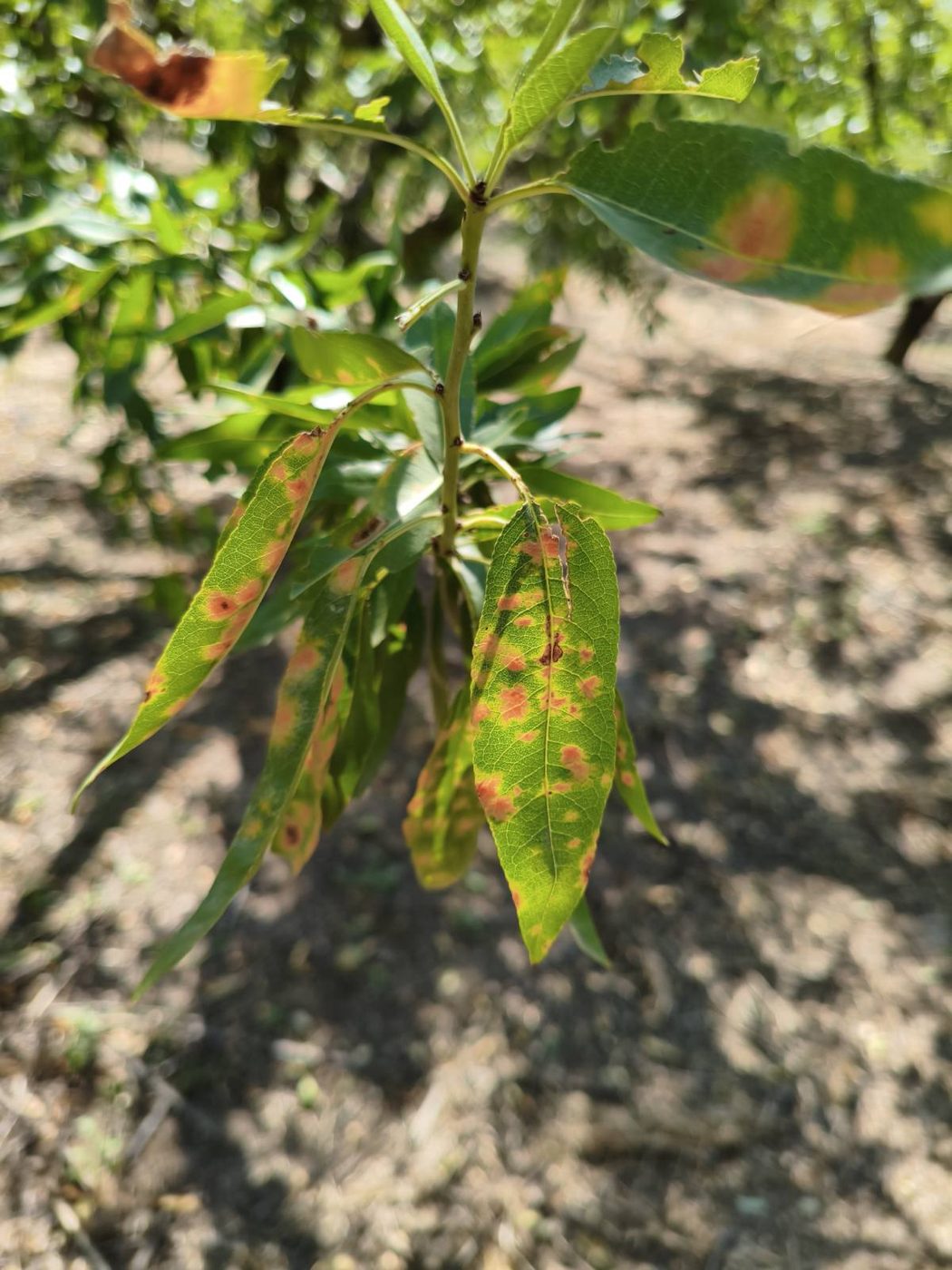
Almond pests and diseases: identification from symptoms, with a diagnostic tool
The almond seed wasp with the phenology of emergence and a 2026 field record from Pella, red leaf blotch as a monocyclic disease with its single spray window, spider mite with the sampling thresholds and abamectin resistance, blossom blight, anthracnose, shot hole, Phytophthora, root rots, bacterial diseases and viruses, and the storage moths with the link between insect damage and aflatoxin. A tool that compares field symptoms against the profiles of 25 causes.
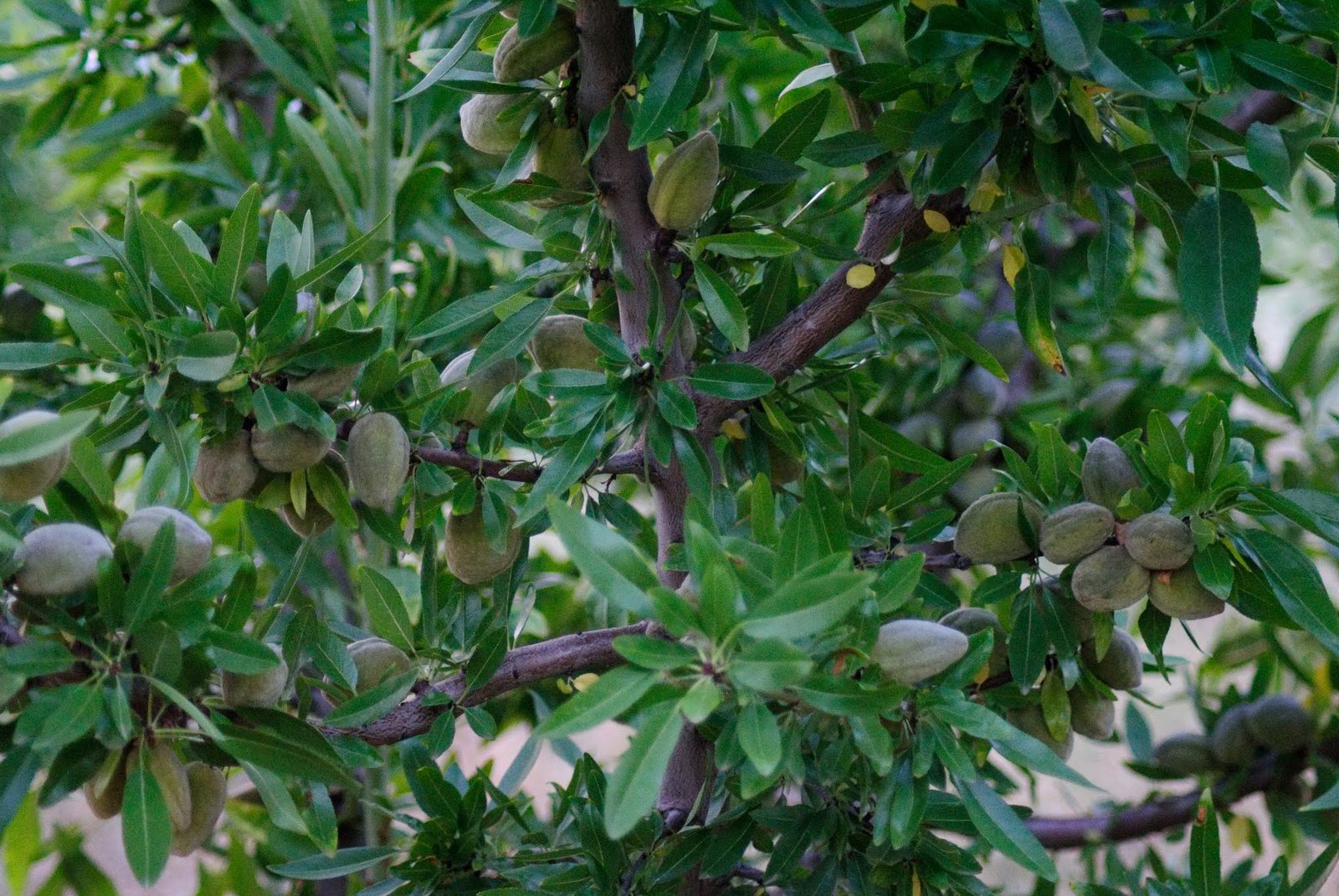
Almond nutrition: calculating the potassium and phosphorus requirement
The almond removes 76 kg of potassium and only 8 kg of phosphorus per tonne of kernel. Why the winter compound gets all three elements wrong, and how to calculate the real requirement from yield.